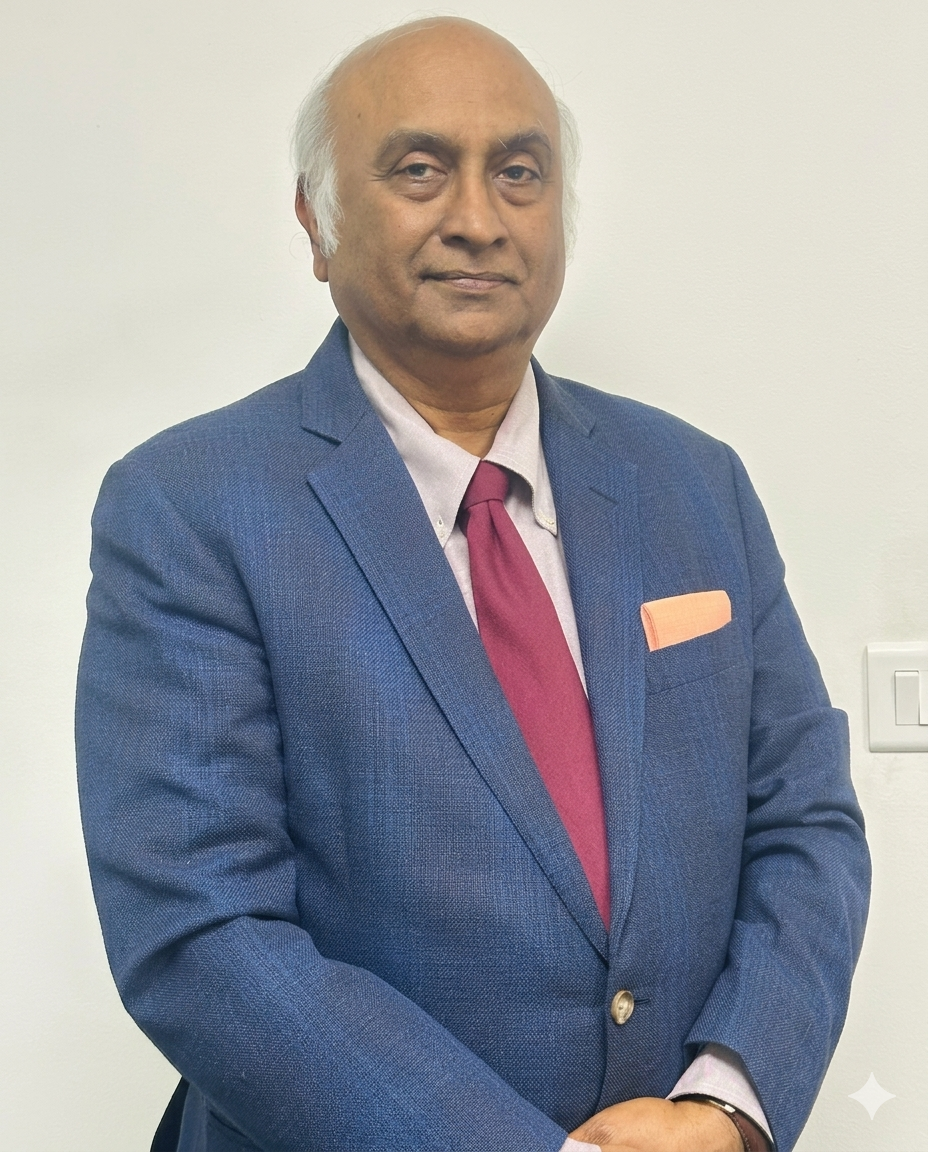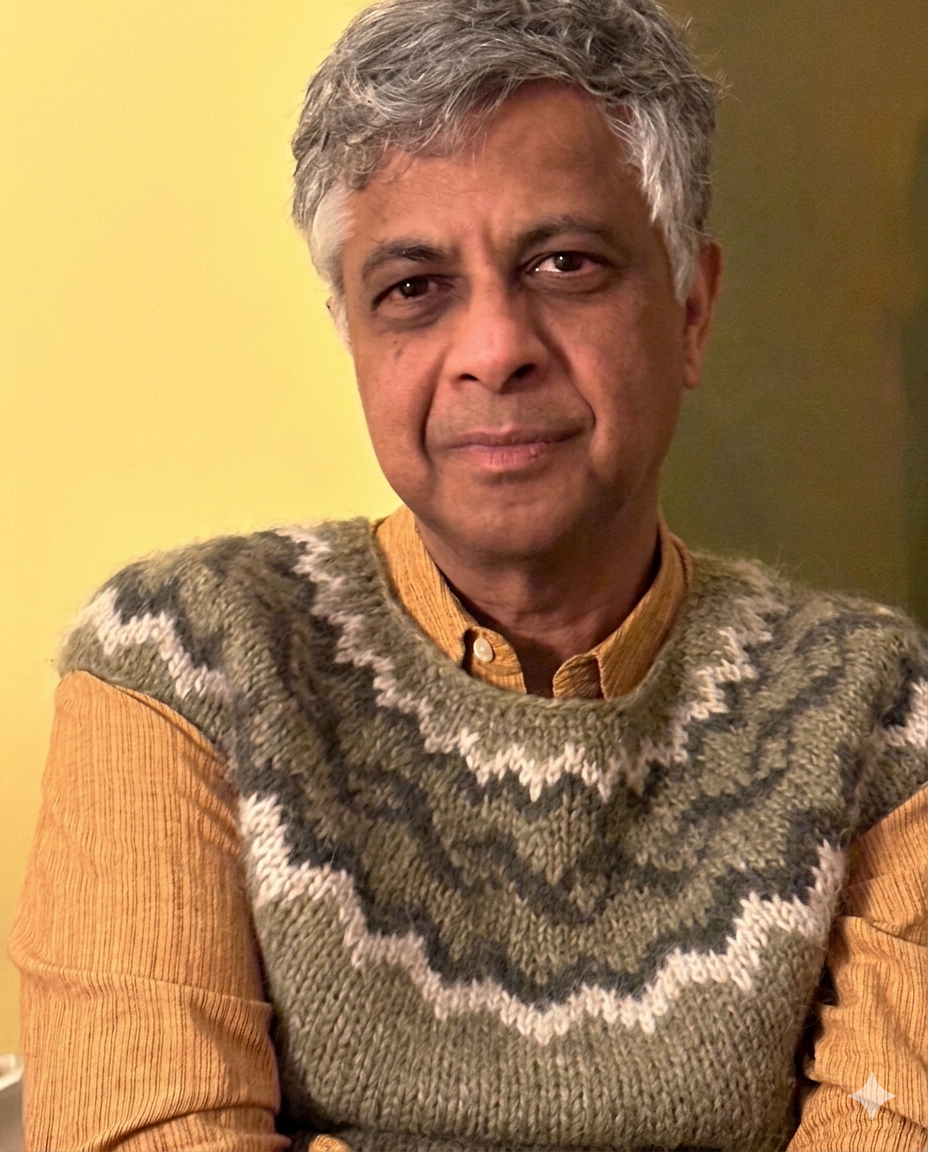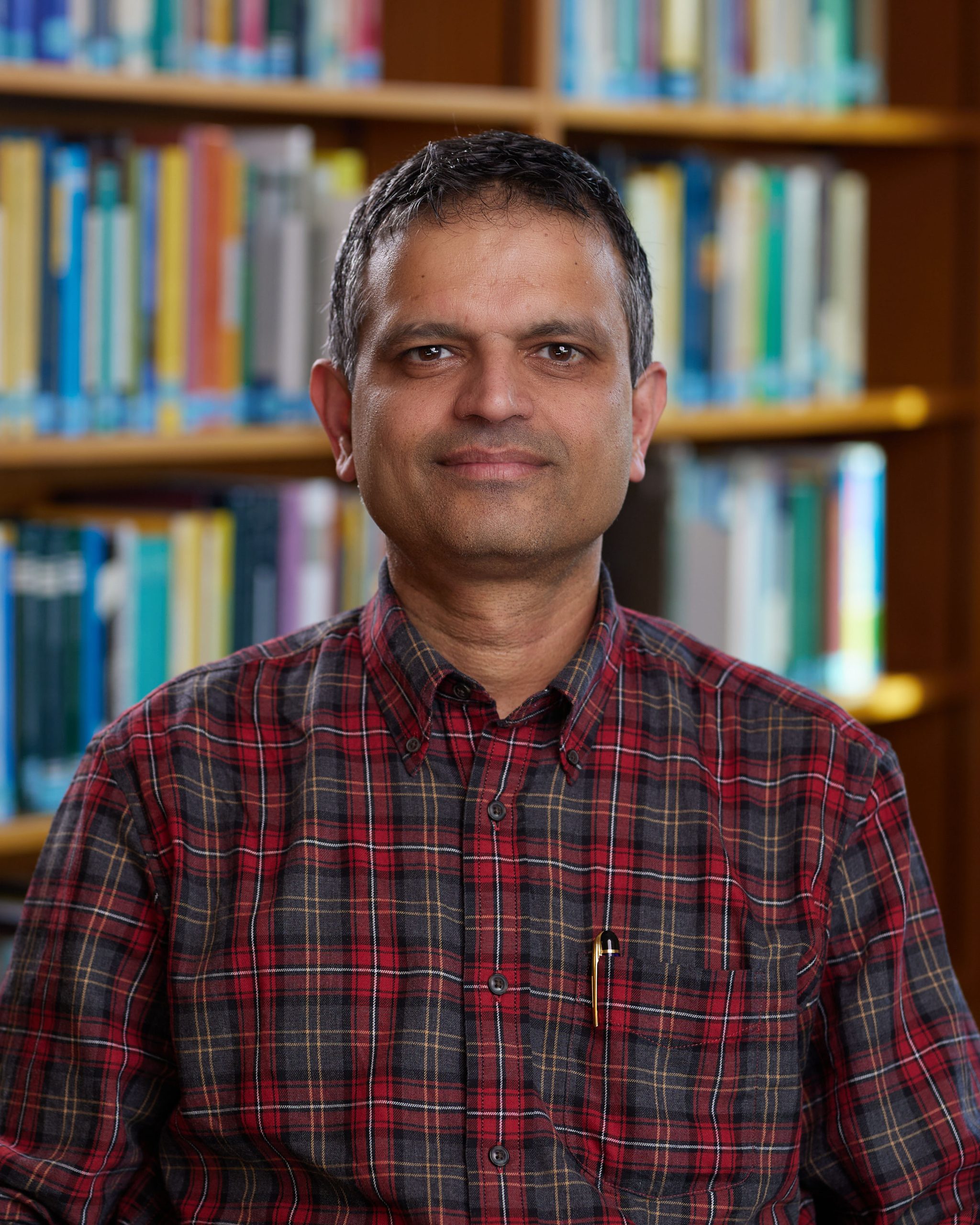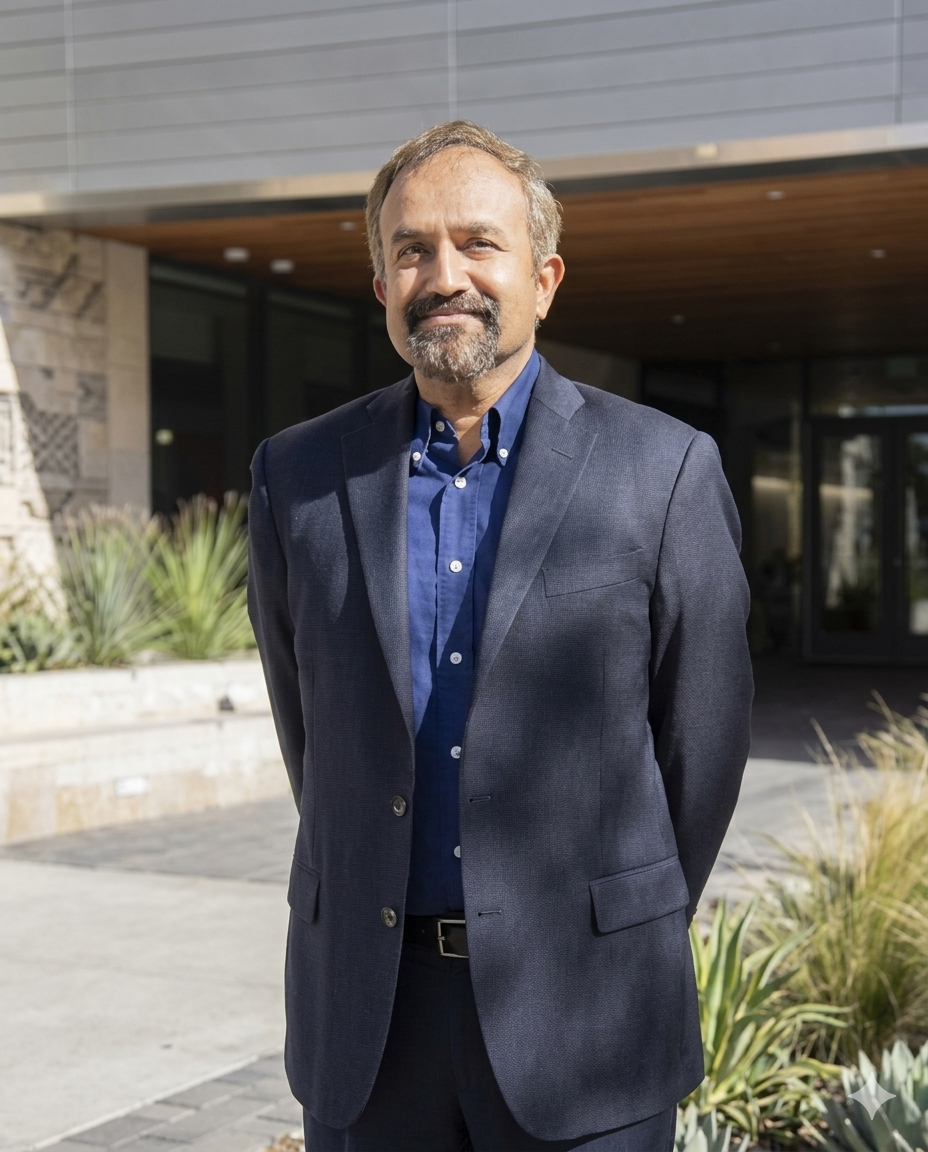
1985/BT/EE Motorola Regents Chair Professor of Engineering, The University of Texas at Austin, USA
Prof. Ananth Dodabalapur is one of the world’s foremost researchers in organic and flexible electronics, whose pioneering contributions have fundamentally shaped the field over three decades. Currently the Motorola Regents Chair Professor of Engineering in the Department of Electrical and Computer Engineering at The University of Texas at Austin, he is a Fellow of the IEEE, a Fellow of the National Academy of Inventors, and a recipient of the ACS National Award for Team Innovation. His research was named among the top ten scientific breakthroughs of the year 2000 by Science magazine, and he is credited by Science with authoring one of the two earliest papers on white organic LEDs.
He completed his B.Tech. in Electrical Engineering from the Indian Institute of Technology Madras in 1985, before earning his M.S. and Ph.D. from The University of Texas at Austin in 1987 and 1990 respectively. His years at IIT Madras provided the intellectual foundation for a research career that would help bring organic semiconductors from laboratory curiosity to a technology of global significance.
Prof. Ananth spent over a decade at AT&T Bell Laboratories and Lucent Technologies Bell Laboratories, where he conducted foundational work on organic transistors, microcavity light-emitting diodes, and organic solid-state lasers. Since joining UT Austin in 2001, he has continued to push the boundaries of thin-film transistors, 2D semiconductors, flexible and printed electronics, photonic structures, and chemical and biosensors. He has authored or co-authored over 400 publications, including seven papers in Science and Nature, and holds 27 issued US patents with over 2,000 patent citations. His work has accumulated over 36,000 citations with an h-index exceeding 97.
Beyond research, Prof. Ananth co-founded two technology companies, including OrganicID, which developed low-cost printable RFID tags and was subsequently acquired by a major US corporation. He served as founding Editor-in-Chief of the journal Flexible and Printed Electronics, chaired NSF and ONR panels on hybrid flexible electronics, and currently also serving as Program Director at the NSF’s Division of Electrical, Communications and Cyber Systems for a 2-year term. He has supervised 29 doctoral students to completion across electrical engineering, physics, materials science, and chemistry.
In recognition of his transformative contributions to organic, thin-film, and flexible electronics, and to the global scientific community, the Indian Institute of Technology Madras and its alumni are proud to confer Prof. Ananth Dodabalapur with the Distinguished Alumni Award for the year 2026.